
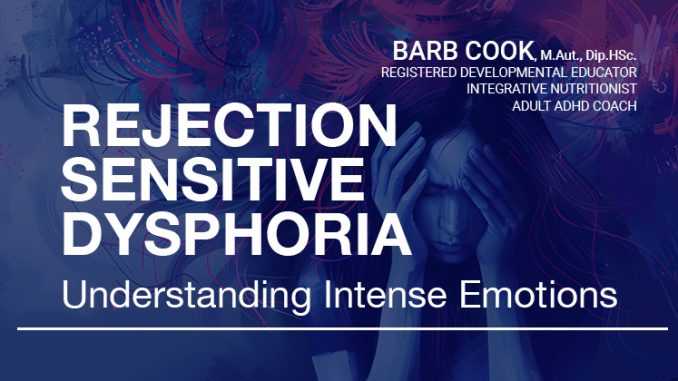
Imagine feeling an intense wave of emotion wash over you at the slightest hint of criticism or rejection. For many, this experience is all too familiar and can be overwhelming. Rejection Sensitive Dysphoria (RSD) is a condition that goes beyond typical feelings of disappointment; it can lead to profound emotional turmoil. Understanding RSD is crucial for those who navigate life with heightened sensitivity to rejection, especially within the context of ADHD.
As we delve deeper into this topic, we’ll explore what RSD truly entails, its signs and symptoms, examine its causes, and discover how it intertwines with emotional dysregulation. Whether you’re experiencing these feelings yourself or seeking to support someone who does, gaining insight into Rejection Sensitive Dysphoria will help illuminate a path towards understanding and managing intense emotions.
What is Rejection Sensitive Dysphoria (RSD)
Rejection Sensitive Dysphoria (RSD) is a condition characterised by extreme emotional pain in response to perceived rejection or criticism. It’s not just a passing feeling; it can manifest as deep anguish, anxiety, and even anger.
People with RSD often experience their emotions on a heightened scale. A simple comment or an unreturned text can trigger overwhelming feelings of worthlessness and despair. This sensitivity can make social interactions feel daunting.
Unlike typical feelings of hurt that fade over time, the impact of RSD is intense and lingers long after the initial reaction. The reactions and behaviours may seem disproportionate to outsiders but are profoundly real for those impacted.
What are the Signs and Symptoms of RSD
RSD manifests through a range of intense emotions and behaviours. Individuals may experience overwhelming feelings of hurt or embarrassment when faced with perceived criticism or rejection.
Common signs include heightened anxiety in social situations. Many people with RSD might avoid gatherings to steer clear of potential judgment. This avoidance can lead to isolation, compounding feelings of loneliness.
Emotional outbursts may also be frequent. A minor setback can trigger disproportionate reactions, such as anger or sadness that seem unmanageable.
Physical symptoms can accompany the emotional turmoil too. Some individuals report headaches, stomach aches, or fatigue during stressful moments linked to RSD triggers.
A persistent fear of rejection often hovers over daily interactions. This constant worry not only affects relationships but can also hinder personal growth and self-esteem. Understanding these signs is crucial for those seeking support and coping strategies.
What Causes RSD
RSD often stems from a complex interplay of genetic, environmental, and neurological factors. Individuals may have inherited traits that heighten emotional sensitivity. This can make them more attuned to perceived rejection or criticism.
Childhood experiences also play a significant role. Those who faced harsh parenting or bullying can develop heightened sensitivity as a coping mechanism. The brain learns to associate social interactions with potential pain.
Neurologically, RSD is linked to the way the brain processes emotions. Differences in neurotransmitter activity may also contribute to this intense emotional response.
Moreover, individuals with conditions like ADHD often experience RSD due to overlapping symptoms such as impulsivity and emotional dysregulation. Understanding these causes helps create pathways for effective management strategies tailored toward those experiencing RSD’s challenges.

How RSD is related to ADHD
Rejection Sensitive Dysphoria (RSD) is often linked to ADHD. Many individuals with ADHD experience heightened emotional responses, making RSD a common challenge.
People with ADHD may struggle with attention regulation and impulsivity, which can intensify feelings of rejection. This sensitivity amplifies the fear of criticism or disapproval from others.
When faced with perceived rejection, an individual’s reaction might be extreme. They could feel overwhelmed by intense emotions that disrupt their daily lives.
Moreover, the impulsive nature associated with ADHD can lead to rash decisions in response to these feelings. A cycle of anxiety and shame often ensues, leaving them feeling drained and isolated.
Understanding this connection sheds light on why effective coping strategies are essential for those navigating both RSD and ADHD challenges. Recognising these patterns can pave the way for better self-awareness and implementing strategies to reduce overwhelm.
Emotional Dysregulation and Rejection Sensitivity
Emotional dysregulation often intertwines with RSD. Those experiencing RSD may find their emotional responses are heightened and unpredictable. A minor critique can feel like a major blow.
This intense reaction can lead to feelings of anger, sadness, or anxiety that seem disproportionate to the situation. It’s as if the brain is on high alert, misinterpreting benign interactions as personal attacks.
People grappling with this sensitivity can struggle to manage their emotions effectively. This creates a cycle of overwhelming feelings followed by shame or self-doubt. The emotional turmoil can interfere with daily life and relationships.
RSD and the Fight or Flight Response
RSD can trigger intense reactions that mirror the body’s fight or flight response. When faced with potential rejection, individuals may experience heightened anxiety and distress. This emotional surge feels like an instinctive reaction to a threat.
As soon as perceived rejection occurs, your brain goes into overdrive. Cortisol levels spike, preparing you for action—either to confront the issue or escape it entirely. In these moments, rational thinking often takes a backseat.
People experiencing RSD might lash out in anger or withdraw completely from social situations. These responses are not merely mood swings; they stem from deep-seated fears of inadequacy and abandonment.
Understanding this connection helps realise that reactions are rooted in survival instincts rather than just emotional sensitivity. It’s crucial to acknowledge these feelings without judgment and recognise them as part of a larger pattern influenced by past experiences.
RSD and Stress
RSD can significantly amplify stress levels. When a person with RSD perceives even the slightest hint of rejection, it triggers an overwhelming emotional response.
This intense reaction often leads to heightened anxiety and worry about social interactions. The fear of being judged or criticised looms large, making everyday situations feel daunting.
As stress builds, so does the physical toll on the body. Increased heart rate, tension headaches, and fatigue may become common companions for those dealing with RSD.
Navigating relationships becomes a tricky endeavour as well. Misinterpretations are frequent; what might be a benign comment could trigger spirals of self-doubt and apprehension.
Understanding these dynamics is crucial. Recognising that the feelings arising from RSD aren’t just in one’s head offers some relief amidst chaos. Knowing how to manage this stress can pave the way toward healthier coping strategies.
RSD and Burnout
RSD can significantly contribute to feelings of burnout. The intense emotions triggered by perceived rejection often lead individuals into a cycle of stress and exhaustion.
When someone with RSD faces criticism or even mild disapproval, their emotional response can be overwhelming. This constant battle with feelings of inadequacy takes a toll on mental resources.
As the individual tries to navigate these intense emotions, they may push themselves harder in various aspects of life—be it work, relationships, or personal goals. This relentless pursuit for validation can quickly drain energy levels. It’s important to recognise that this burnout isn’t merely about physical fatigue; it’s deeply rooted in emotional turmoil.
RSD Triggers
RSD triggers can vary widely from person to person. For some, it might be a harsh critique at work or an offhand comment from a friend. These moments can feel like emotional landmines, igniting intense feelings of inadequacy and pain.
Social situations often amplify these responses. A casual conversation that veers into uncomfortable territory may unleash overwhelming anxiety. The fear of rejection looms large in the background.
Misunderstandings or perceived slights by loved ones can lead to deep emotional turmoil, leaving individuals feeling isolated and misunderstood. Even small setbacks can escalate emotions rapidly. Missing a deadline or receiving less-than-stellar feedback stirs up old wounds tied to self-worth and acceptance.
Treating RSD
Treating rejection sensitive dysphoria often requires a multifaceted approach. Psychotherapy can be incredibly beneficial and helps individuals challenge and reframe negative thoughts. This shift in perspective can reduce the intensity of emotional responses.
Medication might also play a role for some people. Antidepressants or stimulant medication may offer relief by stabilising mood swings and enhancing focus.
Mindfulness techniques are invaluable too. Practicing mindfulness encourages awareness of emotions without immediate reaction and may cultivate resilience against feelings of rejection.
Support groups provide connection and understanding, allowing individuals to share experiences without judgment. Learning from others who face similar challenges can create a sense of belonging.
Incorporating self-compassion practices fosters kindness towards oneself during tough moments, making it easier to navigate intense emotions associated with RSD.
Self-Care and Being Kind to Yourself
Understanding and managing rejection sensitive dysphoria can be challenging, but it’s essential to prioritise self-care. Being kind to yourself is not just a luxury; it’s a necessity for navigating intense emotions that RSD brings.
Start by acknowledging your feelings without judgment. It’s okay to experience emotional pain when faced with perceived rejection. Create a supportive environment where you feel safe expressing your thoughts and emotions. Surround yourself with understanding friends or family who validate your experiences.
Incorporating mindfulness practices can also help in grounding yourself during overwhelming moments. Techniques such as deep breathing, meditation, or journaling allow you to process feelings in real-time and gain insight into triggers.
Establish boundaries that protect your emotional well-being. Learn to say no when necessary and engage only in relationships that uplift you rather than drain you emotionally. Remember that taking breaks is vital—allowing time away from stressful situations can recharge both mind and spirit.
Consider engaging in activities that promote joy and relaxation, whether that’s roller skating, painting, hiking, or simply enjoying music. These personal joys serve as powerful antidotes against the weight of RSD.
Lastly, practice patience with yourself through ups and downs. Healing takes time; each step forward counts toward fostering resilience against rejection sensitive dysphoria’s challenges while cultivating an inner sense of peace amidst the storm of intense emotions.
Learn more about Rejection Sensitive Dysphoria (RSD) in Barb Cook’s two-hour on-demand online presentation.
This presentation delves into the lived experiences of having RSD and its impact on neurodivergent individuals in various aspects of their lives.
Despite being an area that is still significantly under-researched, Barb’s clinical perspective brings together current knowledge to provide an in-depth understanding of RSD, along with strategies and tools to help individuals cope with overwhelming and painful emotions.
This online presentation is available for you to watch for 30 days and comes with a copy of the presentation slides, links to resources and 2.5 hours of professional development and certificate upon completion.
This online training may be claimable for Self & Plan Managed NDIS Participants. Please check with your plan manager/LAC.
Topics covered:
- What is rejection sensitive dysphoria (RSD)
- Understanding the biological brain differences
- How RSD is related to ADHD
- What causes rejection-related emotions and behaviours
- Managing intense negative feelings
- The difficulty in controlling reactions – sudden anger or rage, bursting into tears
- The impact of communication and vague interactions with others
- Social anxiety
- Impact on relationships and friendships
- Internalised emotions
- Feeling self-conscious and embarrassment
- People pleasing
- Perfectionism
- Task avoidance and procrastination
- Building self-esteem and confidence
- The priority of self-care
- Being kind to yourself
- Acceptance of failure and rejection
- Learning healthy ways of acceptance
This webinar will provide practical tools, tips and strategies for ADHD/autistic people, parents, teachers, employers, allied health professionals, support workers and carers.

